
The Samsung DW80R5060US dishwasher offers reliable cleaning, and this manual provides essential guidance․ Appliantology․org hosts a service manual for detailed repair information, ensuring optimal performance․
Overview of the Model
The Samsung DW80R5060US is a popular dishwasher known for its blend of performance and features․ It’s designed to efficiently clean dishes while offering convenient operation․ This model aims to simplify kitchen cleanup routines for households of various sizes․ Accessing the service manual, available on sites like Appliantology․org, is crucial for understanding its inner workings and potential repairs․
Users can expect a standard set of wash cycles catering to different cleaning needs, from delicate glassware to heavily soiled pots and pans․ The dishwasher’s design prioritizes ease of use, with a control panel intended to be intuitive․ Furthermore, the availability of a detailed parts diagram within the user manual aids in identifying components for maintenance or replacement, extending the appliance’s lifespan․
Key Features and Specifications
The Samsung DW80R5060US boasts several key features enhancing its usability and cleaning power․ While specific details require consulting the service manual (found on Appliantology․org), common attributes include multiple wash cycles, a soil sensor, and potentially a self-cleaning filter system․ These features contribute to efficient water and energy usage․
Specifications generally encompass a standard 24-inch width, accommodating most kitchen layouts․ Internal capacity is designed to handle a typical family’s dishwashing needs․ The control panel offers selectable options for cycle customization․ Access to the detailed service manual provides precise specifications regarding dimensions, power consumption, and water usage, aiding informed decision-making for installation and operation․
Installation and Setup
Proper installation is crucial for optimal performance․ Refer to the user manual and service guide (Appliantology․org) for detailed steps regarding water and electrical connections․
Unpacking and Inspection
Carefully unpack your new Samsung DW80R5060US dishwasher, ensuring you have ample space to avoid damaging the unit or your flooring․ Begin by removing all external packaging materials, including cardboard, plastic wrap, and tape․ Thoroughly inspect the dishwasher for any visible signs of shipping damage, such as dents, scratches, or broken components․
Pay close attention to the door, control panel, and interior surfaces․ If any damage is detected, immediately contact the retailer or Samsung customer support and document the issues with photographs․ Verify that all included accessories, as listed in the accompanying documentation (and potentially within the service manual available on Appliantology․org), are present․ These typically include spray arms, racks, and the necessary connection hoses․ Retain the packaging materials until you are completely satisfied with the condition of the dishwasher․
Water Supply Connection
Proper water supply connection is crucial for optimal dishwasher performance․ Before connecting, ensure the water supply shut-off valve is easily accessible․ Connect the dishwasher’s water inlet hose to the hot water supply line, using a new, approved supply hose․ Avoid reusing old hoses․
Tighten the connections securely, but avoid over-tightening, which could damage the fittings․ Check for leaks immediately after connection․ The service manual, found on resources like Appliantology․org, may detail specific torque specifications․ Ensure the water pressure falls within the dishwasher’s specified range (typically between 20 and 120 psi)․ If water pressure is excessively high, install a pressure regulator․ Following these steps will help prevent leaks and ensure efficient operation of your Samsung DW80R5060US dishwasher․
Electrical Connection
Safe electrical connection is paramount for the proper functioning and longevity of your Samsung DW80R5060US dishwasher․ The dishwasher requires a dedicated 120V, 60Hz electrical circuit, protected by a 15-amp or 20-amp circuit breaker․
Never use extension cords or adapters․ The appliance must be properly grounded․ Consult a qualified electrician if you are unsure about the electrical installation․ The service manual available on sites like Appliantology․org provides detailed wiring diagrams․ Ensure the power cord is not pinched or damaged during installation․ Before connecting, verify the voltage matches the dishwasher’s specifications․ Incorrect voltage can cause serious damage․ Always disconnect power before performing any maintenance or repairs․ Following these guidelines ensures a safe and reliable electrical connection․
Operating Instructions
Begin by familiarizing yourself with the control panel; the user manual guides you through each function for efficient operation of your Samsung DW80R5060US dishwasher․
Control Panel Explained
The Samsung DW80R5060US dishwasher’s control panel is designed for intuitive operation․ Understanding each button and indicator light is crucial for selecting the appropriate wash cycle and options․ The Power button initiates or cancels all operations․ Cycle selection buttons allow you to choose from Normal, Heavy, Delicate, and Quick Wash, among others․
Option buttons modify the selected cycle, offering features like Delay Start, Half Load, and Sanitize․ The Rinse Aid indicator alerts you when to refill the rinse aid dispenser, ensuring spotless results․ A digital display shows the remaining cycle time and any error codes that may occur․ Refer to the full user manual, often available through resources like Appliantology․org, for a detailed breakdown of each function and troubleshooting guidance․ Properly utilizing the control panel maximizes cleaning performance and extends the dishwasher’s lifespan․

Loading the Dishwasher Correctly
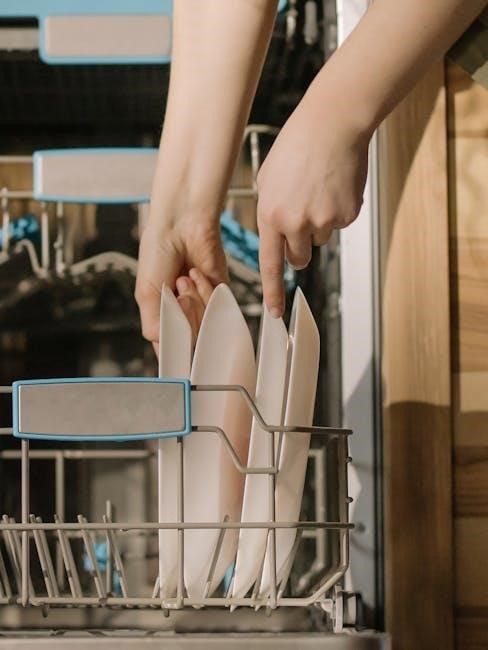
Proper loading is essential for optimal cleaning performance with the Samsung DW80R5060US dishwasher․ Avoid overcrowding, ensuring water can reach all surfaces․ Place larger items along the sides and back, leaving space for smaller items in the front․ Pots, pans, and heavily soiled dishes should face the center spray arm․
Ensure silverware is loaded in the utensil basket with handles down to prevent nesting․ Glasses and delicate items should be placed securely in the upper rack, avoiding contact with other dishes․ Check that spray arms can rotate freely after loading․ Refer to the user manual – resources like Appliantology․org often provide detailed diagrams – for specific loading recommendations․ Incorrect loading can lead to poor cleaning and potential damage to your dishes․
Detergent and Rinse Aid Usage
Using the correct detergent and rinse aid is crucial for sparkling clean dishes with your Samsung DW80R5060US dishwasher․ Always use dishwasher detergent specifically designed for automatic dishwashers; hand soap will create excessive suds․ The amount of detergent needed depends on water hardness and soil level – consult the detergent packaging for guidance․
Rinse aid helps water sheet off dishes, preventing spots and streaks․ Fill the rinse aid dispenser regularly to ensure optimal drying performance․ Check the dispenser level periodically and refill as needed․ Resources like the service manual, available on sites like Appliantology․org, may offer specific recommendations for detergent and rinse aid types․ Avoid overfilling either dispenser to prevent issues․

Wash Cycles
The DW80R5060US offers versatile wash cycles, including Normal, Heavy Duty, Delicate, and Quick Wash, adapting to various dishwashing needs for optimal cleaning results․
Normal Wash Cycle
The Normal Wash Cycle on the Samsung DW80R5060US is designed for everyday dish loads, providing a balance between cleaning power and energy efficiency․ This cycle is ideal for typically soiled dishes, glasses, and cookware that don’t require intensive cleaning․ It utilizes a moderate water temperature and spray intensity to effectively remove food residue without being overly harsh on delicate items․
To initiate the Normal Wash Cycle, ensure dishes are properly loaded, detergent and rinse aid are added, and then select the ‘Normal’ option on the control panel․ The cycle duration typically ranges between 90 to 120 minutes, depending on selected options like heated dry․ This cycle is a reliable choice for routine dishwashing, delivering consistently clean results while conserving water and energy․ It’s a versatile option suitable for most household needs․
Heavy Duty Wash Cycle
The Heavy Duty Wash Cycle on the Samsung DW80R5060US is engineered for tackling the most challenging dishwashing tasks․ This cycle is specifically designed for heavily soiled pots, pans, and casserole dishes with baked-on food residue․ It employs higher water temperatures, increased spray pressure, and an extended wash time to ensure thorough cleaning․ Utilizing more energy, it prioritizes removing stubborn stains and grime that other cycles may struggle with․
To activate the Heavy Duty cycle, load the dishwasher, add detergent, and select the corresponding option on the control panel․ Expect a longer cycle duration, typically exceeding 150 minutes, to allow for optimal cleaning․ This cycle is best reserved for items requiring intense cleaning power, and it’s recommended to avoid using it for delicate glassware or plastics․ It delivers powerful results when dealing with difficult messes․
Delicate/Glassware Wash Cycle
The Delicate/Glassware Wash Cycle on the Samsung DW80R5060US is specifically designed to protect your fragile dishware․ This cycle utilizes lower water temperatures and a gentler spray pattern to prevent chipping, cracking, or damage to delicate items like glassware, crystal, and fine china․ It minimizes the risk of breakage while still providing effective cleaning for lightly soiled dishes․
When using this cycle, ensure items are loaded securely to prevent movement during the wash․ Avoid overcrowding, as this can reduce cleaning effectiveness and increase the risk of damage․ Select the Delicate/Glassware cycle on the control panel and use a mild detergent formulated for delicate items․ The cycle duration is typically shorter than other wash cycles, prioritizing gentle cleaning over intense scrubbing․ This cycle is ideal for preserving the beauty and integrity of your most cherished dishware․
Quick Wash Cycle
The Quick Wash Cycle on the Samsung DW80R5060US dishwasher is a convenient option for lightly soiled dishes that need a fast refresh․ This cycle significantly reduces wash time compared to standard cycles, making it perfect for smaller loads or when you’re short on time․ While prioritizing speed, it still delivers a satisfactory cleaning performance for everyday items like glasses, cups, and plates with minimal food residue․
To utilize the Quick Wash Cycle, ensure dishes are not heavily soiled, as the shorter duration may not effectively remove stubborn food particles․ Select the Quick Wash option on the control panel and use a standard dishwasher detergent․ This cycle typically uses less water and energy than longer cycles, contributing to resource conservation․ It’s an excellent choice for quickly cleaning dishes without compromising on cleanliness, offering a practical solution for busy lifestyles․
Maintenance and Cleaning
Regular maintenance ensures peak performance of your DW80R5060US․ Cleaning filters, spray arms, and the exterior keeps your Samsung dishwasher functioning efficiently and reliably․
Filter Cleaning Procedure
Maintaining a clean filter is crucial for optimal dishwasher performance․ The filter traps food particles, preventing them from recirculating during wash cycles․ To clean, locate the lower rack filter assembly – typically a cylindrical component․ Gently twist and lift to remove the filter system․
Separate the filter into its component parts, usually a coarse filter and a fine filter․ Rinse each component thoroughly under running water, using a soft brush to remove stubborn debris․ Inspect for any damage, replacing if necessary․
Reassemble the filter correctly, ensuring proper alignment․ Return the assembled filter to its housing and secure it by twisting into place․ Regular filter cleaning – ideally weekly or bi-weekly, depending on usage – prevents clogs and ensures efficient cleaning performance․ A clogged filter can lead to reduced cleaning power and potential drainage issues․
Spray Arm Cleaning
Clean spray arms are vital for effective dishwashing․ Over time, food particles and mineral deposits can clog the spray arm nozzles, reducing water pressure and cleaning performance․ To clean, locate the upper and lower spray arms inside the dishwasher․ They are typically easily removable by unscrewing or unclipping them․
Inspect the spray arm nozzles for blockages․ Use a toothpick or small wire to carefully clear any debris from the nozzles․ Rinse the spray arms thoroughly under running water to remove loosened particles․ Check for any cracks or damage to the spray arms; replace if necessary․
Reattach the spray arms securely, ensuring they rotate freely․ Proper spray arm function distributes water evenly, guaranteeing a thorough clean․ Regular cleaning – monthly is recommended – maintains optimal dishwasher efficiency and prevents food residue buildup․
Exterior Cleaning Instructions
Maintaining a clean dishwasher exterior enhances its appearance and prevents grime buildup․ Use a mild detergent and warm water solution for cleaning the dishwasher’s front, sides, and top․ Avoid abrasive cleaners, scouring pads, or harsh chemicals, as these can damage the finish․
Dampen a soft cloth with the cleaning solution and gently wipe down the exterior surfaces․ For stainless steel models, wipe in the direction of the grain to prevent streaks․ Rinse the cloth with clean water and wipe again to remove any detergent residue․
Pay attention to the control panel and handle, as these areas accumulate fingerprints and smudges․ Dry the exterior with a clean, dry cloth to prevent water spots․ Regular cleaning – weekly is ideal – keeps your Samsung dishwasher looking its best and protects its finish․
Troubleshooting Common Issues
Addressing problems promptly ensures optimal dishwasher function․ Common issues include starting failures, poor cleaning, and leaks; service manuals aid diagnosis and repair efforts․
Dishwasher Not Starting
If your Samsung DW80R5060US dishwasher fails to start, several potential causes should be investigated․ First, verify the power supply – ensure the dishwasher is properly plugged into a functioning electrical outlet; Check the circuit breaker or fuse box to confirm no trips have occurred․ Next, examine the door latch; it must be securely closed for the dishwasher to initiate a cycle․
Consulting the service manual, available on sites like Appliantology․org, can provide detailed troubleshooting steps and wiring diagrams․ Error codes, if displayed, are crucial for pinpointing the issue․ A faulty control board or a malfunctioning start switch could also be responsible․ Remember to disconnect power before attempting any internal inspections or repairs for safety․
Poor Cleaning Performance
If your Samsung DW80R5060US dishwasher isn’t cleaning dishes effectively, several factors could be at play․ Begin by ensuring proper loading – avoid overcrowding and ensure spray arms aren’t blocked․ Verify you’re using the correct amount of detergent and rinse aid, as insufficient quantities lead to residue․ A clogged filter is a common culprit; regularly cleaning it is essential for optimal performance․
The service manual, found on resources like Appliantology․org, details spray arm removal and cleaning procedures․ Check the spray arms for clogs or damage․ Low water temperature can also hinder cleaning; confirm your water heater is set appropriately․ Inspect the dishwasher’s internal components for any obstructions or malfunctions, referencing the manual for guidance․
Leaking Issues
Discovering leaks with your Samsung DW80R5060US dishwasher requires immediate attention․ First, inspect the door gasket for damage or debris, ensuring a tight seal․ Check the water supply and drain hoses for cracks or loose connections – tighten as needed․ A faulty water inlet valve can also cause leaks; the service manual on Appliantology․org provides diagnostic steps․
Examine the pump and motor area for any signs of water accumulation, indicating a potential seal failure․ Verify the dishwasher is level; an uneven unit can contribute to leaks․ Carefully review the manual’s diagrams to identify all potential leak points․ If the leak persists after these checks, consult a qualified technician for further assistance and component replacement․
Service Manual Information
Access the Samsung DW80R5060US service manual on Appliantology․org for detailed repair procedures, error code explanations, and component diagrams to aid troubleshooting efforts․
Accessing the Service Manual
For comprehensive technical details regarding the Samsung DW80R5060US dishwasher, the service manual is an invaluable resource․ Fortunately, it’s readily available online through Appliantology;org․ A direct link provides access to a downloadable PDF version of the manual, specifically designated for the DW80R5060US/AA model․
This online repository, described as a “Master Samurai Tech Appliance Repair Dojo,” offers a wealth of appliance repair documentation․ Users can navigate to the site and locate the file under their files section․ The service manual contains detailed schematics, troubleshooting guides, parts lists, and diagnostic procedures, empowering both professional technicians and experienced DIYers to effectively address any repair needs for this Samsung dishwasher model․ Registration on Appliantology․org may be required to download the manual․
Error Codes and Their Meanings
The Samsung DW80R5060US dishwasher utilizes error codes to diagnose internal issues, aiding in efficient troubleshooting․ While specific error code details aren’t explicitly listed in the provided snippets, the available service manual on Appliantology․org is the definitive source for this crucial information․
This manual details a comprehensive list of error codes, explaining the underlying problem each indicates․ Understanding these codes allows users or technicians to pinpoint the faulty component or system requiring attention․ Common issues potentially signaled by error codes include water inlet problems, drainage malfunctions, heating element failures, or sensor errors․ Consulting the service manual is essential for accurate interpretation and effective repair, ensuring the dishwasher returns to optimal operational status․ Accessing the manual via Appliantology․org is highly recommended for resolving error-related concerns․